How Artificial Intelligence is Reshaping Economic Productivity

A report by McKinsey estimates that AI could add up to $13 trillion to the global economy by 2030, reflecting its transformative power. However, alongside its promises, AI poses critical questions: How does this technology redefine productivity in real-world terms? What challenges does it bring to the workforce and global economies? This blog delves into the transformative role of AI in economic productivity, exploring its benefits, challenges, and future potential in a rapidly digitizing world.
A Historical Lens: Comparing AI to Past Revolutions
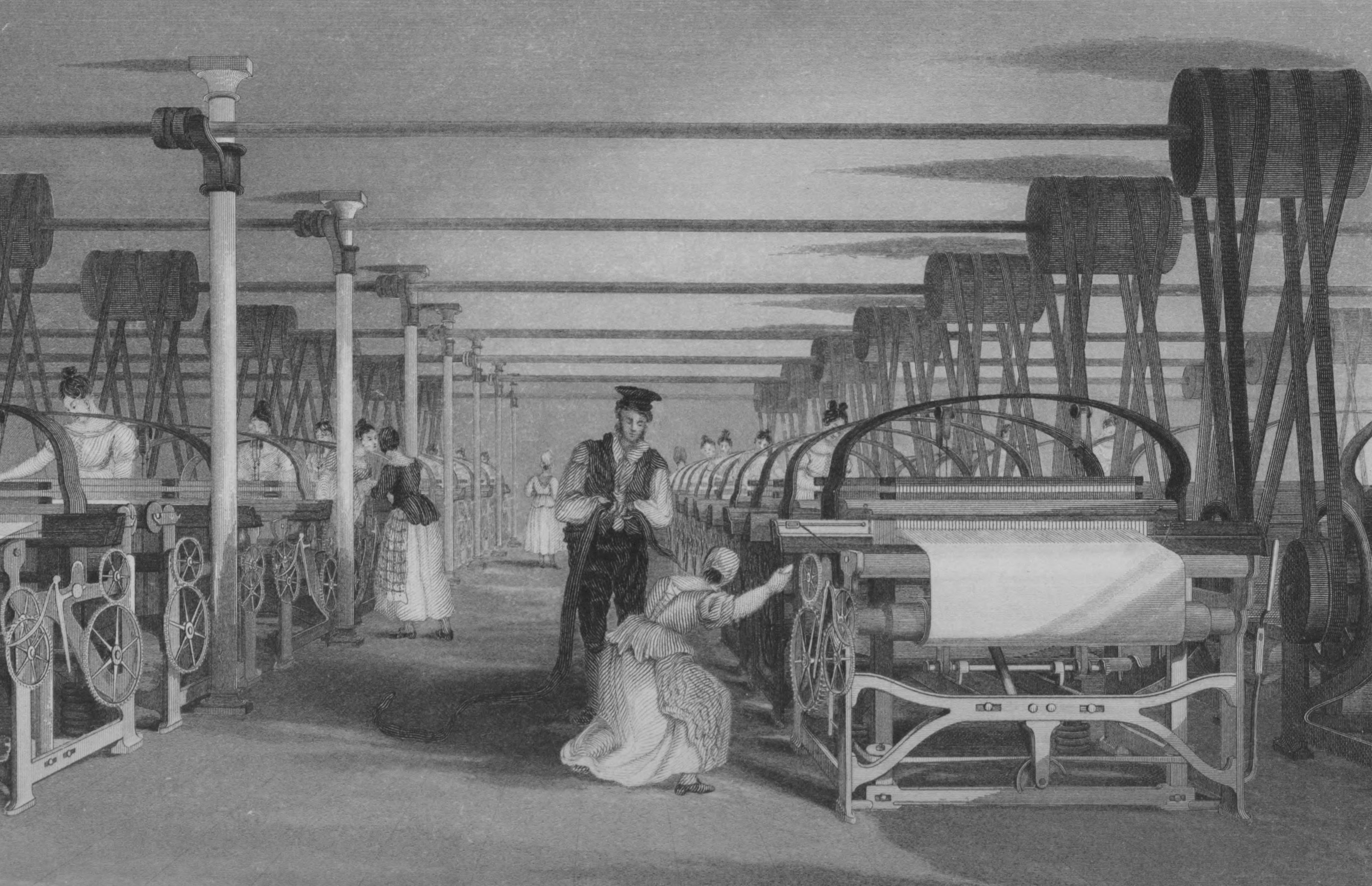
Think of AI as the next step in humanity’s productivity evolution: while the Industrial Revolution equipped us with mechanical "muscle," AI equips us with computational "brainpower." As businesses integrate AI, its impact is rippling across sectors, reshaping not only how we work but also how value is created.
Key Areas of Transformation
1. Automation and Efficiency Gains
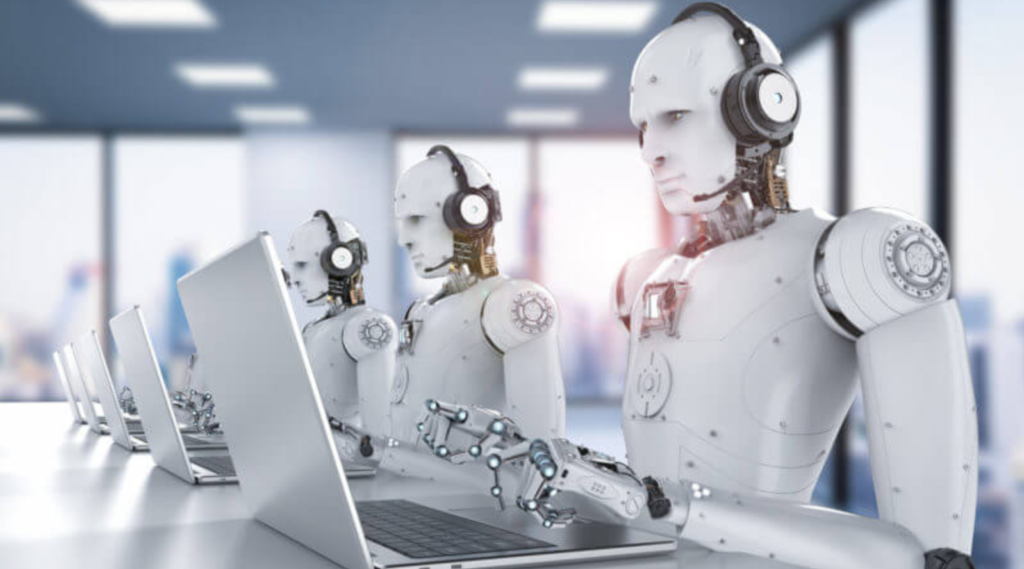
The logistics sector, led by companies like Amazon, uses AI-powered robotics and predictive analytics to reduce delivery times and operational errors. Beyond industry giants, small and medium businesses are also leveraging AI tools for routine tasks like inventory management and customer support, allowing employees to focus on strategic initiatives.
2. Decision-Making and Predictive Analytics
One of AI’s most significant contributions lies in decision-making and data-driven strategies. Financial institutions like JPMorgan Chase use AI algorithms to detect fraudulent activities by analyzing transaction patterns in real-time, safeguarding billions of dollars.
Similarly, retail giants employ AI to forecast consumer demand, optimize inventory, and personalize shopping experiences. For instance, AI’s ability to predict which products will sell during different seasons empowers businesses to stay ahead of market trends, improving profitability and customer satisfaction.
3. Innovation in Product and Service Development
AI accelerates innovation by enabling rapid prototyping and testing. Pharmaceutical companies like Pfizer are using AI to identify potential drug candidates in weeks rather than years, cutting costs and saving lives. In creative industries, AI tools like OpenAI’s DALL-E and ChatGPT assist in brainstorming new product designs and marketing campaigns.
This innovation also extends to consumer experiences. Streaming platforms like Netflix and Spotify rely on AI to curate personalized recommendations, turning mundane interactions into highly engaging ones. The result? Increased customer loyalty and higher revenue.
4. The Gig Economy and Remote Work

During the COVID-19 pandemic, AI tools such as virtual meeting assistants and task management software ensured that businesses remained productive even as work shifted online. These technologies have now become integral to hybrid work environments, enabling companies to scale efficiently.
Challenges and Ethical Considerations
1. Job Displacement and Workforce Transitions

2. Economic Inequality and the Digital Divide
AI adoption is uneven across the globe. Developed nations with advanced infrastructure are reaping AI’s benefits, while developing economies struggle to catch up. Without intentional efforts to democratize AI access, these disparities could deepen existing inequalities, exacerbating the divide between rich and poor countries.
3. Data Privacy and Ethical Concerns
AI relies heavily on data, raising questions about privacy, security, and accountability. For instance, AI’s ability to track consumer behavior can be intrusive, prompting concerns about surveillance. Policymakers and businesses must collaborate to establish ethical guidelines that protect individual rights while fostering innovation.
Real-World Case Studies: AI in Action
Amazon’s AI-Driven Efficiency
Amazon exemplifies how AI enhances productivity. Its AI-powered warehouse robots streamline order fulfillment, while its machine learning algorithms predict demand, enabling faster delivery. By 2023, these innovations helped Amazon cut operating costs significantly, setting a new standard for logistics.
AI in Finance
In financial services, AI tools are transforming risk assessment and fraud detection. HSBC, for example, uses AI to analyze vast datasets, identifying fraudulent patterns within seconds—something that would take humans hours or days.
 Agriculture and Sustainability
In agriculture, AI technologies such as John Deere’s smart tractors analyze soil and weather conditions to optimize planting strategies, increasing yields while reducing resource use. These solutions address global food security concerns while boosting economic returns for farmers.
Artificial Intelligence is redefining economic productivity, ushering in an era of unprecedented efficiency and innovation. From automating mundane tasks to enabling groundbreaking discoveries, AI is reshaping how value is created and consumed. Yet, this transformation is not without challenges.
To fully harness AI’s potential, stakeholders must address workforce transitions, close digital divides, and establish ethical standards. The future of AI in economic productivity is as promising as it is complex, requiring a collective commitment to balance progress with equity.
As AI continues to evolve, the question is not whether it will transform our economies—it already has—but how societies will adapt to its profound impacts. Will we use AI to build a more equitable and sustainable world, or will we allow it to widen existing divides? The answer lies in the choices we make today.
To understand more related to this topic, I recommend you to watch these videos:
Comments
Post a Comment